Greenwich
Greenwich Foot Tunnel
There's a tunnel under the Thames that thousands of people walk through every day, and it's more than 100 years old. It sounds incredible if you think about it. It runs from Greenwich to the Isle of Dogs. Let's explore this tunnel a bit and see why and how it was built, and what it looks like today.
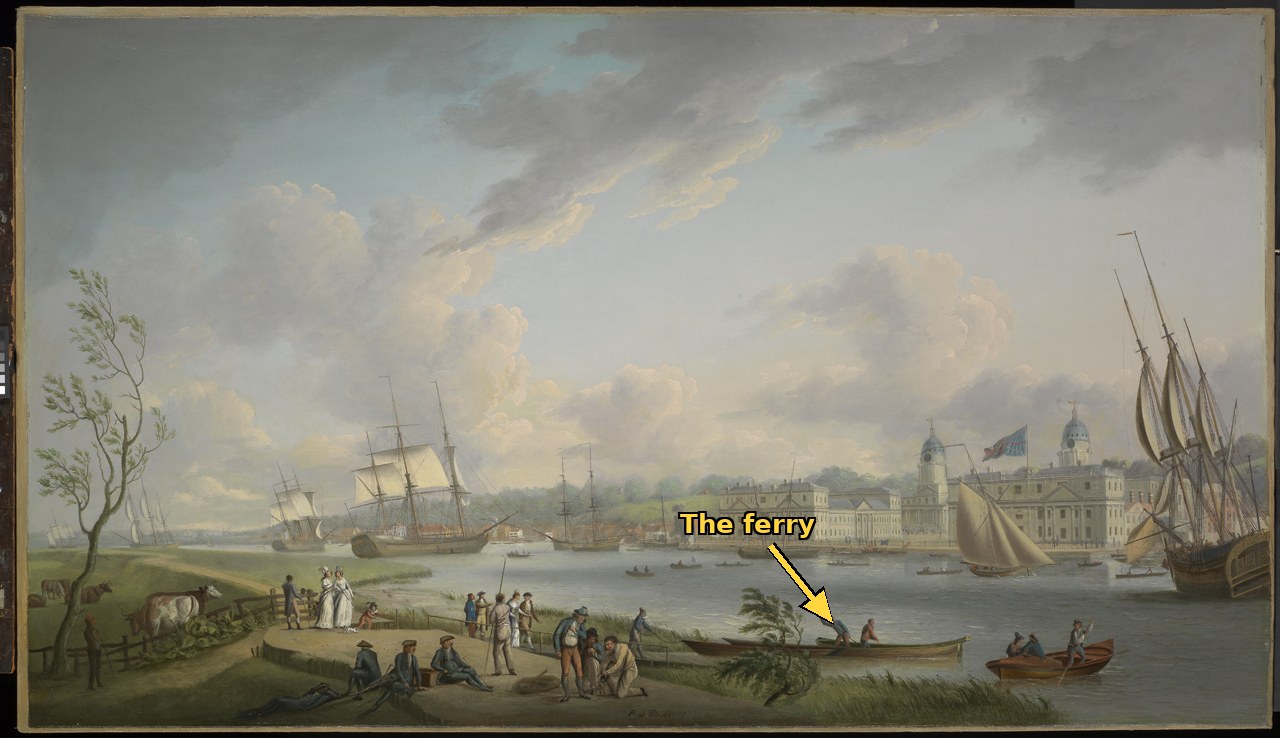
Before a tunnel was even an idea, people crossed by ferry. This story starts back in 1450, at a time when the Isle of Dogs wasn't a place where people in finance lived to be close to work, or even where dock workers lived. Back then, it was just marshland as far as the eye could see.
Across the river, though, Greenwich had just become a royal complex. The ferry was probably already old by then, carrying people, horses and cattle. But now it likely had some posher passengers too: nobles and officials hurrying over to the new palace.
For nearly 150 years, the ferry was run by the Warners, the family in charge of the royal barges. The same people who took kings and queens up and down the Thames were running the little crossing to the marsh. In 1762, they sold it to a group of Greenwich watermen. But apart from who owned it, not much changed for over 300 years. It was still just boats, a river and marshes.
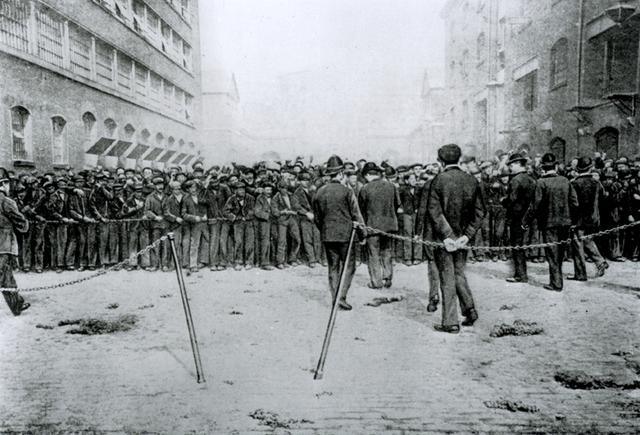
The big change came in 1802, when the West India Docks opened on the Isle. Suddenly, every morning, crowds of men from south of the river had to get across to queue at the dock gates, hoping to be picked for a day's work. That put a lot of pressure on the ferry.
Even after steam ferries arrived in the late 1800s, it still wasn't enough. It was expensive, it wasn't reliable, and a bit of fog or bad weather could leave you stuck on the wrong side of the river and cost you a day's pay.
The solution: a foot tunnel
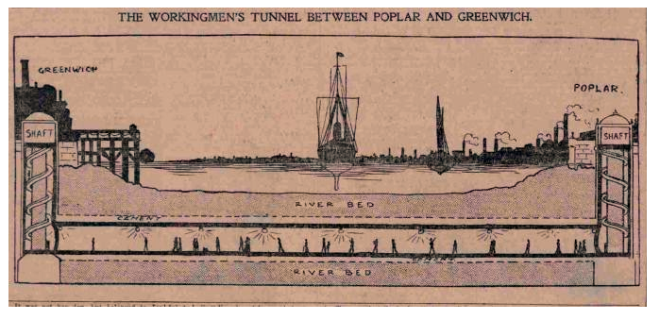
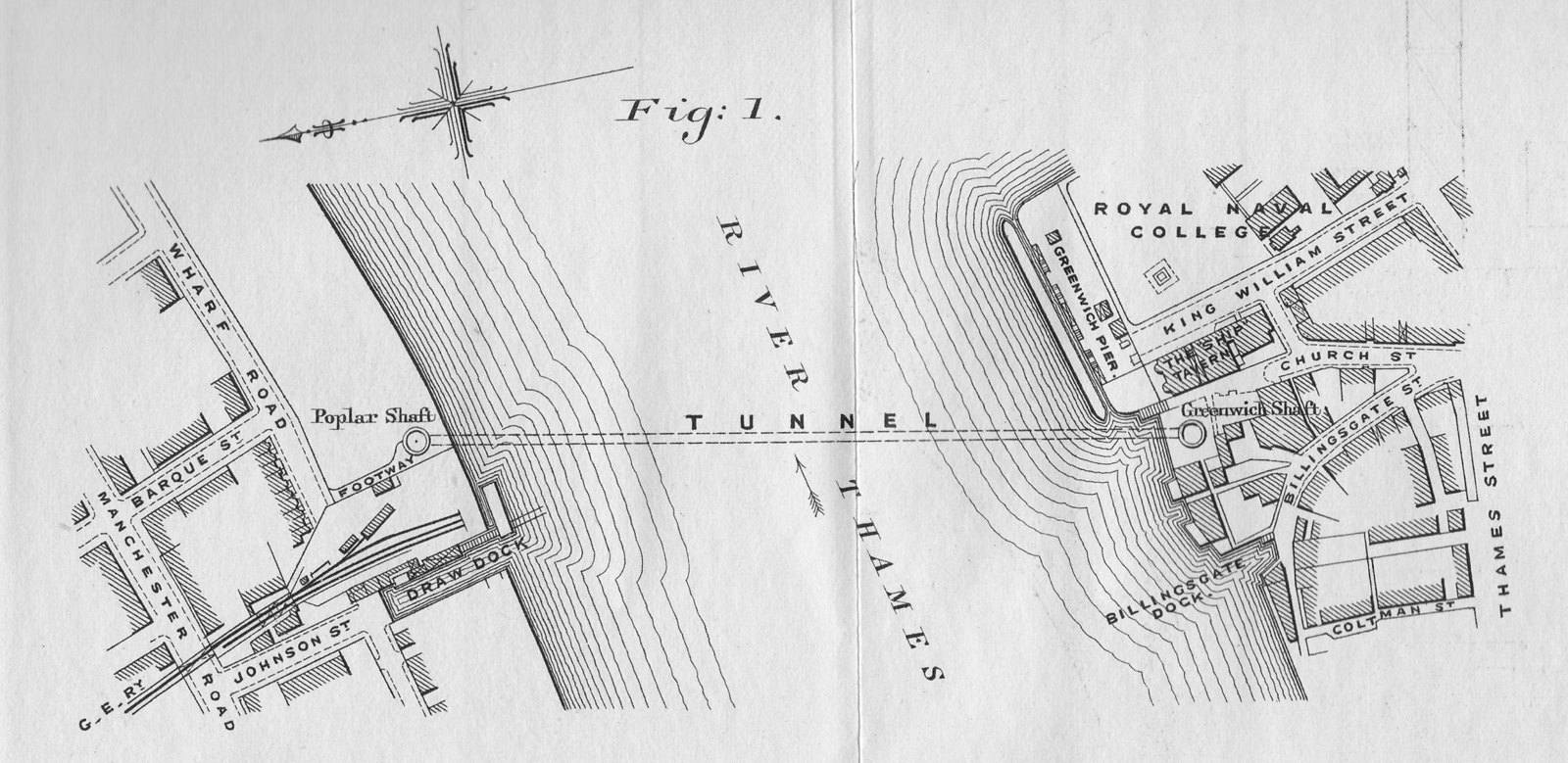
Work started in June 1899 in Island Gardens, on the Isle of Dogs side. The first job was to dig a deep shaft, basically a huge round hole going straight down below the level of the river. Once they were deep enough, they started digging sideways, under the river, towards Greenwich.
The men worked inside a big steel tube called a shield, which stopped the riverbed from caving in on them, and as they moved forward, they bolted iron rings together behind them, a bit like building a pipe from the inside.
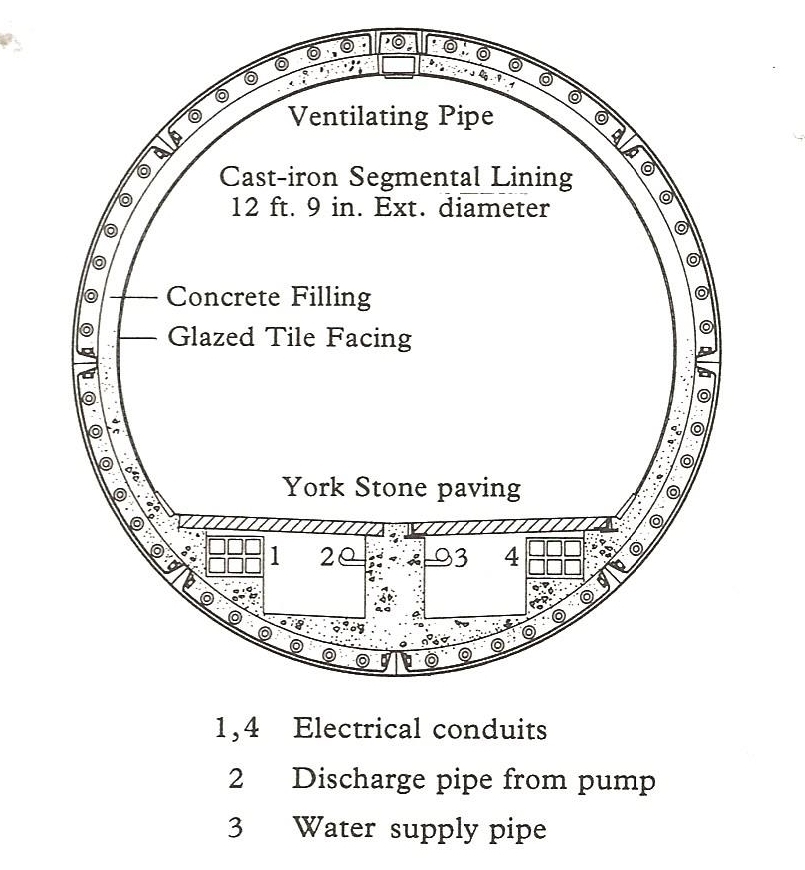
Down there, the air was pumped up to a higher pressure to stop the river water seeping in. It made the work hard and a bit dangerous. Come up too fast and you could get the bends, the same thing divers get. So the men worked 8-hour shifts with a doctor on hand.
When the digging was done, the inside was covered in concrete and around 200,000 white tiles, the same ones you walk past today. The tunnel opened on 4 August 1902.
The tunnel today
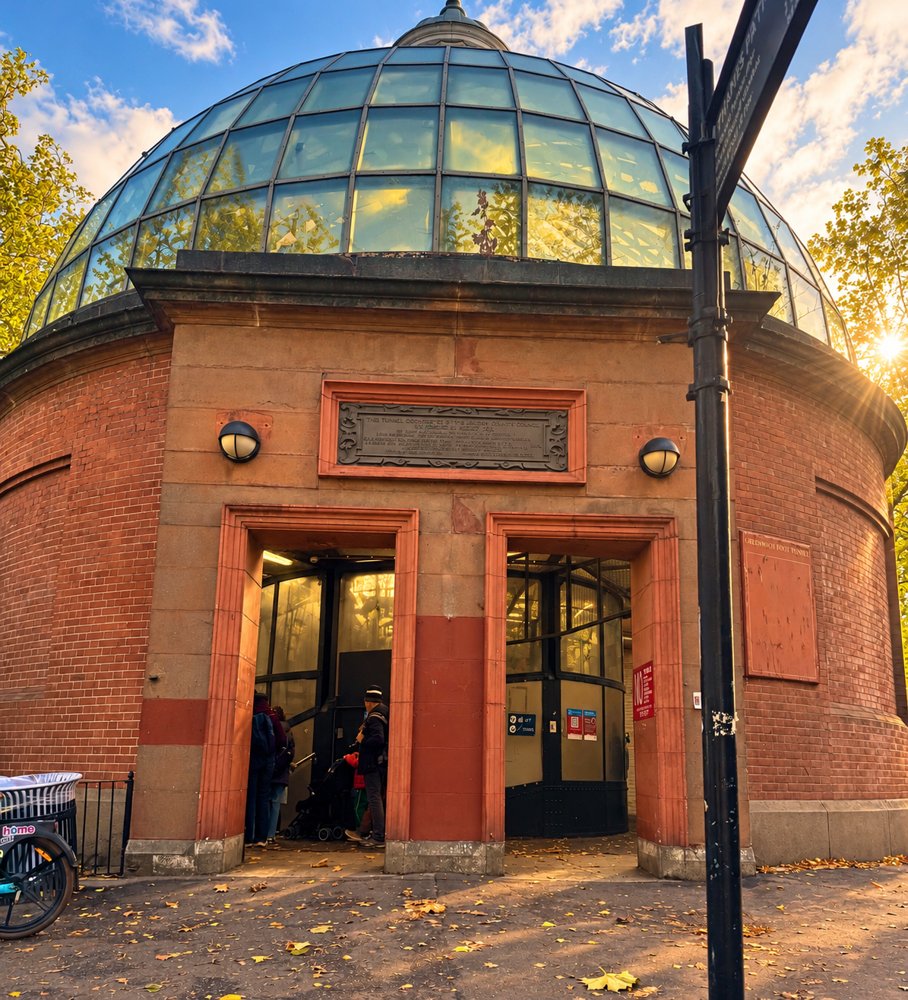
The way in at each end is through a little round building with a glass dome, one in Greenwich and one in Island Gardens. Inside, a spiral staircase winds down around the lift shaft. The glass domes were there to let natural light shine down onto the staircase.
If you're not a fan of stairs, there's also a lift, with the old mahogany wood still inside. When the tunnel opened in 1902, though, the lifts didn't work. There wasn't enough electricity, so everyone had to take the stairs until 1904. When they finally worked, each lift had its own attendant to take people up and down. These days they run on their own, but they're known for breaking down, especially in summer, when the glass domes heat up like greenhouses. New lifts are on the way as part of a big restoration.
Near the Isle of Dogs end, the tunnel suddenly narrows. A bomb damaged it there in 1940, and the patch is still there today.
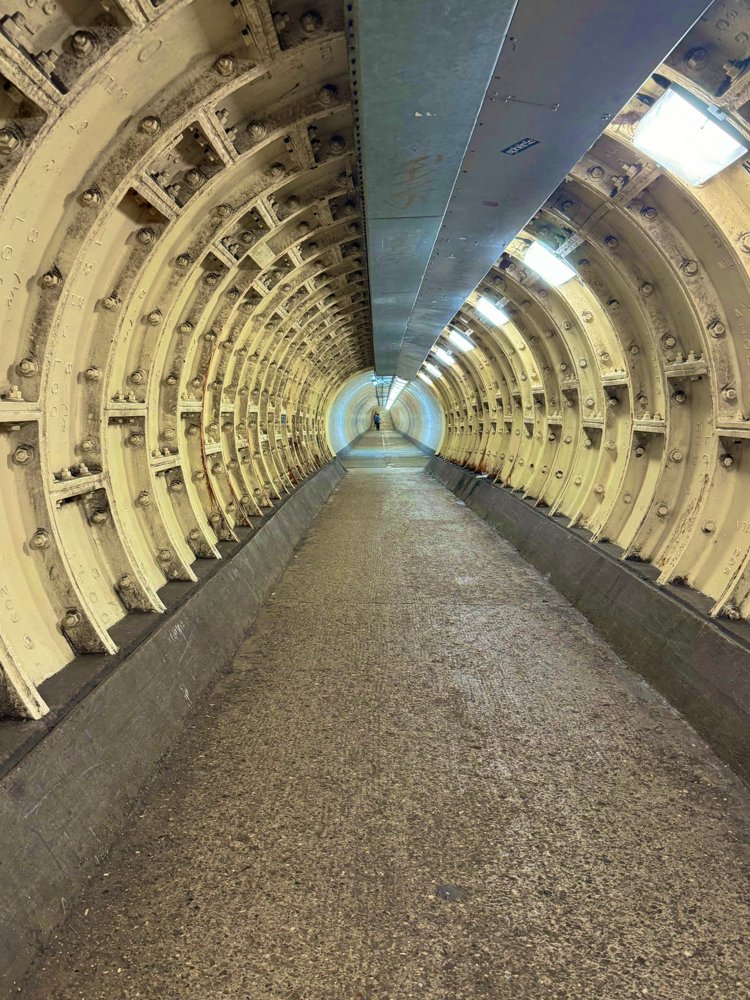
More than 120 years on, it's still busy. These days it's commuters, tourists and the odd jogger. And delivery riders, of course. The signs say no cycling, but they're always in a hurry.
How to get there
The Greenwich entrance is next to the Cutty Sark (Cutty Sark DLR). The Isle of Dogs entrance is in Island Gardens (Island Gardens DLR). It's free and open 24 hours.
See it on the walk
Want to find more places and stories like this one? Join me on a history walk from Canary Wharf to Greenwich.
See the walk